

 By
By Table of Contents
- Carrying a Balance Improves Your Credit Score
- Closing Old Credit Cards Boosts Your Credit
- Checking Your Credit Score Lowers It
- Minimum Payments Are a Safe Strategy
- You Need Debt to Build Credit
- All Credit Cards Charge Annual Fees
- Rewards Programs Always Save You Money
- Your Income Directly Affects Your Credit Score
- Applying for Multiple Cards Destroys Your Credit
- Debit Cards Offer Better Fraud Protection
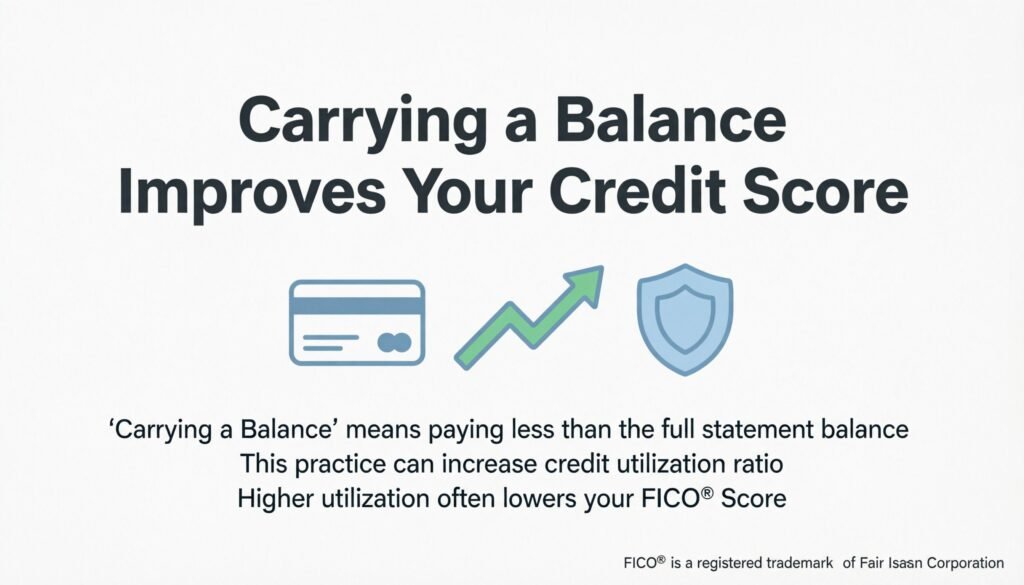
1. Carrying a Balance Improves Your Credit Score
One of the most persistent Credit Card Myths is that maintaining a balance boosts your credit score. In reality, this habit hurts your finances. Credit bureaus prioritize payment history and utilization ratio—not whether you carry debt. Paying your statement balance in full each month avoids interest while building credit.
www.nbcwashington.com
2. Closing Old Credit Cards Boosts Your Credit
Many believe closing unused cards simplifies their credit report. However, this reduces your total available credit, spiking your utilization ratio and shortening your credit history. Keep old accounts open to maintain a healthy score.
www.miamiherald.com

3. Checking Your Credit Score Lowers It
Self-checking your credit score triggers a “soft inquiry,” which has zero impact on your rating. Regular monitoring helps catch errors or fraud early. Use free tools like Credit Karma to stay informed.
www.cbsnews.com

4. Minimum Payments Are a Safe Strategy
Paying only the minimum keeps your account active but traps you in debt. Most payments go toward interest, not principal. Always aim to pay your full balance to avoid compounding costs.
www.aol.com
5. You Need Debt to Build Credit
You don’t need debt to build credit. Using a card for small purchases and paying it off monthly demonstrates responsibility. A high score is achievable without owing money.
www.fool.com
6. All Credit Cards Charge Annual Fees
Not all cards have fees. Hundreds of no-annual-fee options exist, especially for everyday spending. Premium travel cards may charge fees, but perks often offset the cost.
insanemoneytactics.com
7. Rewards Programs Always Save You Money
Chasing rewards can lead to overspending. Only use cards for purchases you’d make anyway—otherwise, points become a costly trap.
www.credithuman.com

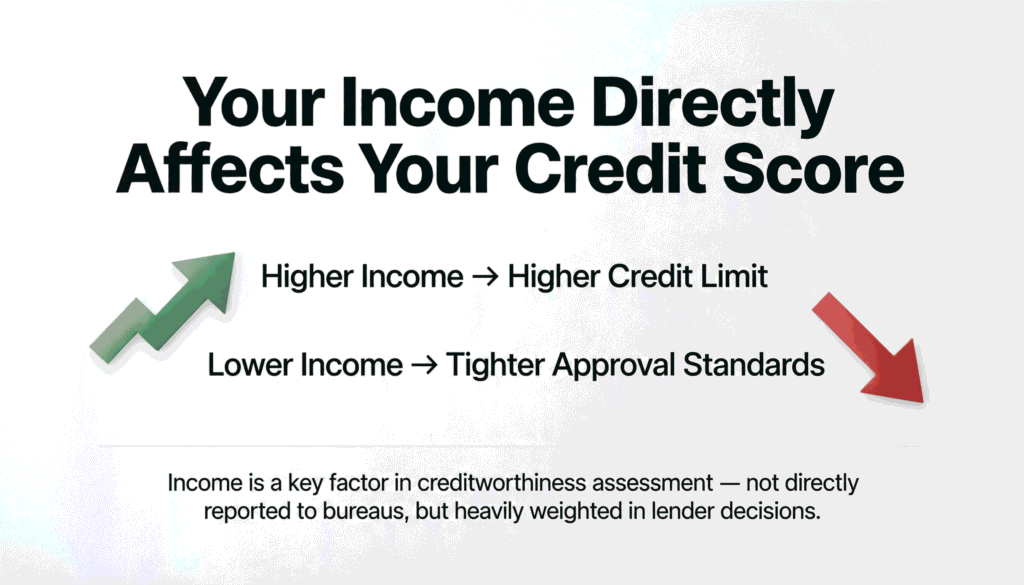
8. Your Income Directly Affects Your Credit Score
Income isn’t reported to bureaus and doesn’t factor into your FICO score. A minimum-wage earner with disciplined habits can outscore a millionaire with poor payment history.
www.aboundcu.com
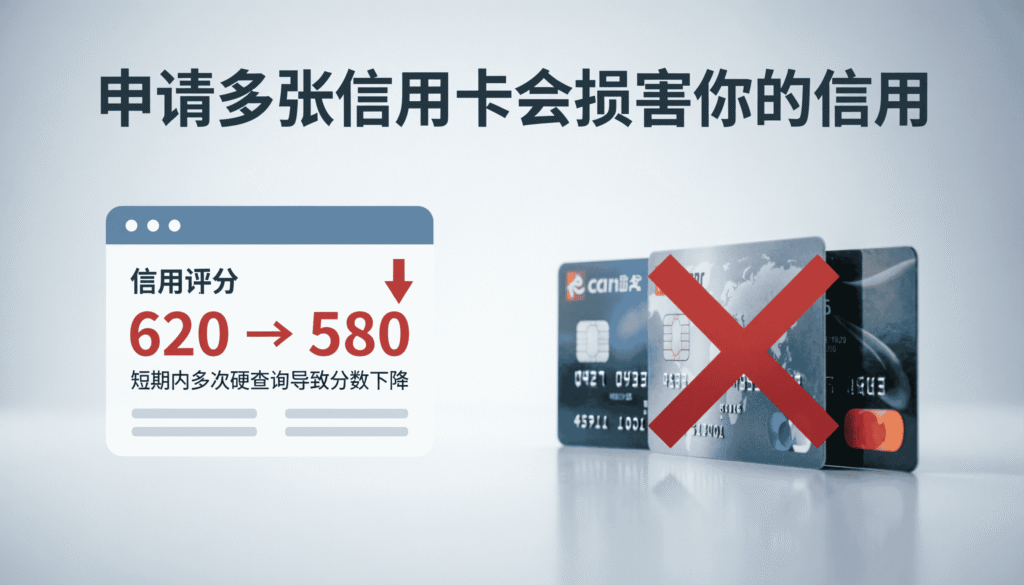
9. Applying for Multiple Cards Destroys Your Credit
A single hard inquiry drops your score by a few points temporarily. Strategic applications for bonuses (e.g., travel rewards) outweigh short-term dips. Avoid mass applications, though.
www.hpcu.coop
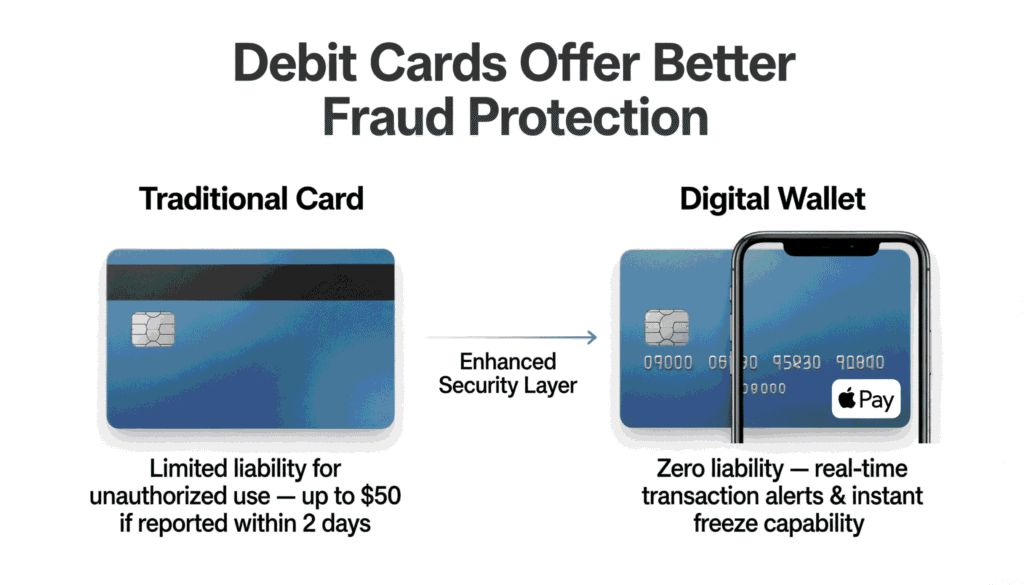
10. Debit Cards Offer Better Fraud Protection
Credit cards provide stronger fraud protection. If compromised, your bank—not your checking account—bears the loss. Always use credit for online purchases.
www.zaginteractive.com
Conclusion
These Credit Card Myths cost millions in avoidable fees and interest. By debunking them, you’ll save money, boost your credit, and gain financial control in 2026. Start applying these truths today!
Pro Tip: Pair this guide with our 2026 Credit Card Debt Relief Guide to eliminate existing balances faster.