

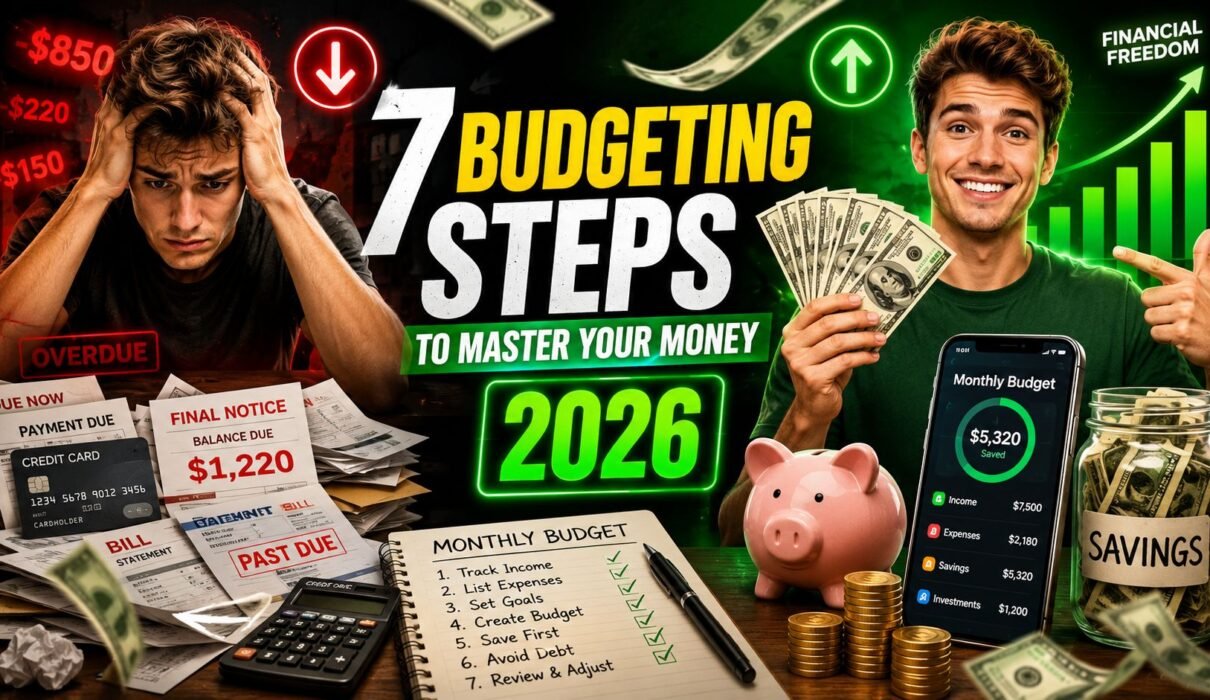
 By
By Table of Contents
- What Is Budgeting for Beginners?
- Why Budgeting for Beginners Is Essential
- How to Start Budgeting for Beginners
- Best Budgeting Methods for Beginners
- Common Mistakes in Budgeting for Beginners
- Tools for Budgeting for Beginners
- Start Your Budgeting for Beginners Journey
What Is Budgeting for Beginners?
Budgeting for beginners is the foundation of financial success and the first step toward taking control of your money. A budget is simply a plan for your money—tracking what comes in and where it goes each month. It’s not about restriction; it’s about making intentional choices with your finances.
Many people think budgeting means giving up everything you enjoy, but that’s a misconception. Budgeting for beginners is actually about freedom—the freedom to spend on what matters most to you without guilt or stress. When you know exactly where your money is going, you can make confident decisions about your financial future.
Think of a budget as a roadmap for your money. Just as you wouldn’t start a road trip without directions, you shouldn’t navigate your financial life without a budget. Budgeting for beginners helps you identify spending patterns, eliminate wasteful expenses, and allocate funds toward your goals.
Alt Text: Budgeting for beginners showing financial planning and money management
Why Budgeting for Beginners Is Essential
Budgeting for beginners isn’t just a nice-to-have skill—it’s absolutely essential for building a secure financial future. Here’s why millions of people are embracing budgeting:
Take Control of Your Finances
Without a budget, your money seems to disappear mysteriously. Budgeting for beginners gives you clarity and control over every dollar, eliminating the stress of not knowing where your money went.
Reach Your Financial Goals Faster
Whether you’re saving for a house, paying off debt, or building an emergency fund, budgeting for beginners creates a clear path to achieve your goals systematically.
Reduce Financial Stress
Money worries are a leading cause of stress. When you have a budget, you eliminate uncertainty and gain peace of mind knowing your bills are covered and you’re progressing toward your goals.
Prevent Overspending
A budget acts as a guardrail, keeping you from impulse purchases and lifestyle inflation. Budgeting for beginners helps you distinguish between needs and wants.
Build Wealth Over Time
Consistent budgeting creates the discipline needed to save and invest regularly, which is the key to long-term wealth building.

Alt Text: Benefits and importance of budgeting for beginners
According to CNBC, people who budget regularly save 20% more than those who don’t track their spending.
How to Start Budgeting for Beginners
Getting started with budgeting for beginners is easier than you think. Follow this proven step-by-step guide:
Step 1: Calculate Your Monthly Income
List all sources of income: salary, side hustles, investments, and any other money coming in. Use your net income (after taxes) for accuracy.
Step 2: Track Your Expenses
For one month, record every single expense—yes, even that $3 coffee. Use apps, spreadsheets, or a notebook. Budgeting for beginners requires knowing exactly where your money goes.
Step 3: Categorize Your Spending
Group expenses into categories:
- Fixed expenses: Rent, car payments, insurance
- Variable expenses: Groceries, gas, entertainment
- Discretionary expenses: Dining out, hobbies, subscriptions
Step 4: Set Financial Goals
Define short-term (emergency fund), medium-term (vacation), and long-term goals (retirement). Your budgeting for beginners plan should align with these priorities.
Step 5: Create Your Budget
Allocate every dollar of income to specific categories. Ensure your expenses don’t exceed your income. If they do, identify areas to cut back.
Step 6: Monitor and Adjust
Review your budget weekly at first, then monthly. Budgeting for beginners requires flexibility—adjust categories as needed based on actual spending.
Step 7: Stay Consistent
The first few months are the hardest. Stick with it, and budgeting will become second nature.

Alt Text: Step-by-step guide to start budgeting for beginners
Visit Consumer Financial Protection Bureau for free budgeting tools and resources.
Best Budgeting Methods for Beginners
Budgeting for beginners offers several proven methods. Choose the one that fits your lifestyle:
Method 1: 50/30/20 Rule
Allocate 50% to needs, 30% to wants, and 20% to savings/debt repayment. This simple budgeting for beginners approach is perfect for those new to budgeting.
Method 2: Zero-Based Budgeting
Every dollar gets assigned a job, so income minus expenses equals zero. This method maximizes control and is highly effective for budgeting for beginners.
Method 3: Envelope System
Use cash envelopes for different spending categories. When an envelope is empty, you stop spending in that category. Great for controlling discretionary spending.
Method 4: Pay Yourself First
Automatically transfer savings before paying bills or spending. This prioritizes your financial goals in budgeting for beginners.
Method 5: Percentage-Based Budgeting
Assign percentages of income to different categories based on your priorities and goals.
Method 6: The 30-Day Rule
Wait 30 days before making non-essential purchases over a set amount. This reduces impulse buying.
Method 7: Reverse Budgeting
Pay bills and save first, then spend what’s left without tracking every penny. Perfect for those who find detailed tracking overwhelming.

Alt Text: Top budgeting methods for beginners
Common Mistakes in Budgeting for Beginners
Even well-intentioned people make errors. Avoid these pitfalls in budgeting for beginners:
Mistake #1: Being Too Restrictive
Don’t eliminate all fun spending. Budgeting for beginners should include room for enjoyment, or you’ll burn out quickly.
Mistake #2: Not Planning for Irregular Expenses
Forget annual fees, car maintenance, or holiday gifts? Your budget will fail. Plan for these in budgeting for beginners.
Mistake #3: Giving Up After One Bad Month
Perfection isn’t the goal. If you overspend one month, adjust and continue. Consistency beats perfection.
Mistake #4: Not Including Savings
Paying yourself should be a line item, not an afterthought. Make savings non-negotiable in your budgeting for beginners plan.
Mistake #5: Ignoring Small Expenses
Those daily coffees and subscription services add up. Track everything in budgeting for beginners.
Mistake #6: Not Adjusting for Life Changes
Got a raise? Had a baby? Your budget needs updating. Review quarterly.
Mistake #7: Going It Alone
If you have a partner, budget together. Budgeting for beginners works best when everyone’s on the same page.
Alt Text: Common mistakes to avoid in budgeting for beginners
Tools for Budgeting for Beginners
Technology makes budgeting for beginners easier than ever. Here are essential tools:
Budgeting Apps
- Mint: Free, automatic expense tracking
- YNAB (You Need A Budget): Zero-based budgeting approach
- EveryDollar: Dave Ramsey’s budgeting app
- Goodbudget: Envelope system digital version
Spreadsheet Templates
Google Sheets and Excel offer free budgeting for beginners templates you can customize.
Banking Tools
Many banks now offer built-in budgeting features that categorize spending automatically.
Expense Trackers
- PocketGuard
- Personal Capital
- Honeydue (for couples)
Automation Tools
Set up automatic transfers to savings and bill payments to make budgeting for beginners hands-off.
For comprehensive financial tools, check out NerdWallet.
Alt Text: Essential tools and apps for budgeting for beginners
Start Your Budgeting for Beginners Journey
Budgeting for beginners is your gateway to financial freedom and peace of mind. You now have the knowledge, methods, and tools to take control of your money.
Remember: The perfect budget doesn’t exist. The best budget is the one you’ll actually stick to. Start simple, stay consistent, and adjust as you learn what works for your lifestyle.
Your financial transformation begins with a single decision—to budget. Don’t wait for the “right time.” Start today, even if it’s imperfect. Progress beats perfection every time.
Ready to learn more? Check out our comprehensive guide on Saving Money Tips or explore our article on Debt-Free Living to continue your financial wellness journey.

Alt Text: Start your budgeting for beginners journey today